
Eliminate Breeding Sites Without Removing Pollinator Water Sources
Hidden Standing-Water Hotspots In Bee Gardens
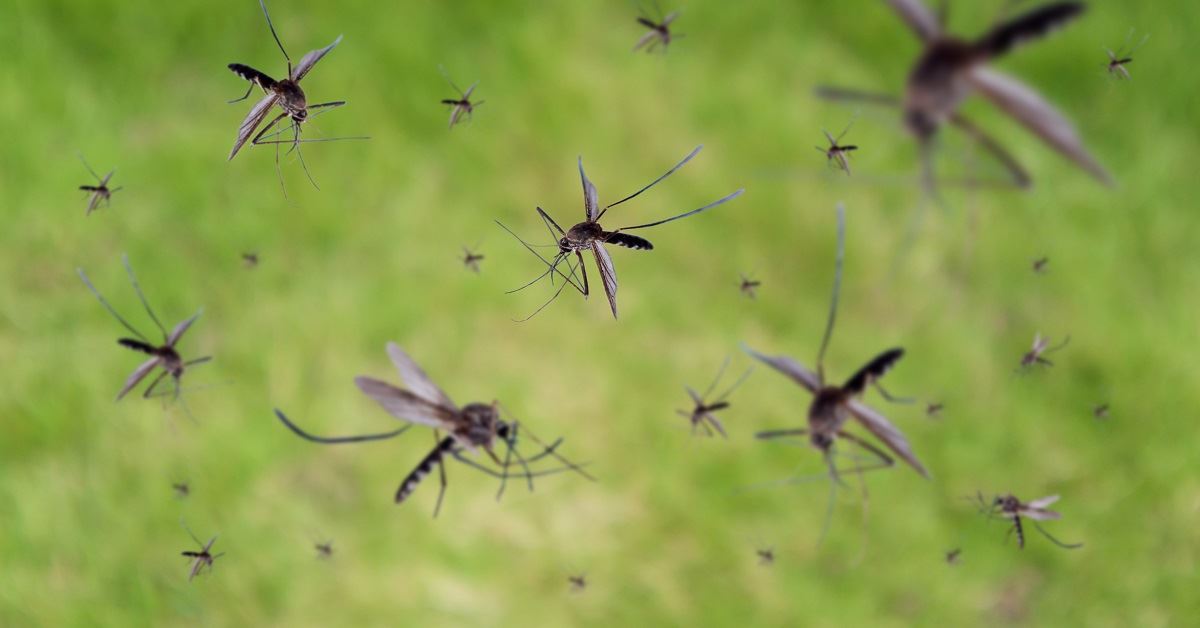
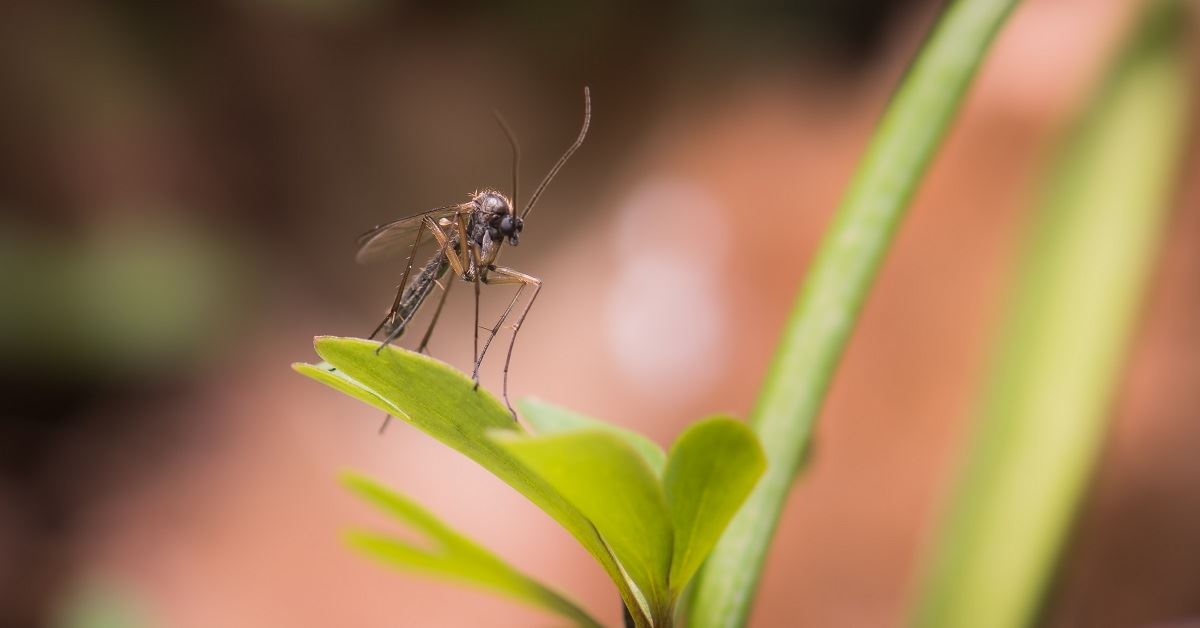
If you’ve built a lush pollinator garden, you’ve probably created the exact microclimates mosquitoes love: shaded pockets, damp mulch, and lots of “just-in-case” watering containers. The tricky part is that mosquito breeding doesn’t require a pond—it can happen in a few tablespoons of water that sit undisturbed long enough for eggs to become biting adults. In warm weather, that whole process can happen in about a week, which is why small, overlooked water-holders matter so much. Walk your garden like you’re looking for a leak, not a bug: pot saucers, drip trays, watering cans, tarps that sag, wheelbarrows, hollow fence posts, corrugated downspout extensions, clogged gutter corners, irrigation valve boxes, kid toys, and low spots in mulch that stay soggy after watering. Even plant structures can hold water—leaf axils on certain ornamentals (including bromeliad-like “cups”) can act like tiny nurseries.
A practical “tip test” helps you avoid overthinking it: if it can hold water for more than 5–7 days during warm months, treat it like a larval site. That doesn’t always mean you have to remove the item—sometimes it’s as simple as drilling a drainage hole in a container, leveling a low area, or changing how you water so you’re not creating persistently wet pockets. Check places where organic debris dams up water (leaf litter in a downspout elbow, soil blocking a drain channel, mulch piled against a hard edge). Those little dams can create a hidden puddle that lasts far longer than the last rainstorm. Source reduction is the “big win” in mosquito control because it lowers the population before you ever think about sprays—and it’s naturally compatible with protecting bees and other beneficial insects.
Bee-Friendly Watering Stations That Don’t Become Mosquito Nurseries
Bee baths, butterfly puddling trays, and birdbaths are genuinely helpful in hot weather—pollinators need water, and birds can reduce some insect pressure in the yard. The goal isn’t to remove these features; it’s to keep them from becoming stagnant. The simplest method is also the most effective: refresh the water every 1–2 days during mosquito season. Mosquitoes prefer still water, and frequent changes interrupt their life cycle before larvae have time to develop. Once a week, scrub the bowl to remove the slippery biofilm where eggs and microorganisms accumulate (a quick brush-and-rinse goes a long way). If you’re worried about “messing up” a bee watering station, add pebbles, corks, or a sloped stone so bees and butterflies have safe landing spots without needing a deep basin.
If you want a set-it-and-forget-it upgrade, gentle movement is your friend. A small solar bubbler or circulating pump keeps the surface from staying still, making it less attractive for mosquitoes while still usable for wildlife. The key is “gentle” flow—enough to ripple the surface, not blast water out of the bowl. Place water stations where you can actually maintain them (near a hose bib or path you walk daily), because convenience is what makes the routine stick. And if you have multiple water features, focus your attention on the ones that are shaded and protected from wind—those tend to stagnate faster and become prime breeding zones.
Treat Necessary Water Safely: Larval Control That Won’t Harm Bees
Use Bti (Mosquito Dunks/Bits) Correctly In Pollinator Spaces
When you truly can’t drain water—think rain barrels, certain yard drains, or a low area that holds water after storms—target mosquito larvae instead of broad spraying. The most common bee-conscious tool for that job is Bti (short for Bacillus thuringiensis israelensis), a biological larvicide used in many public-health mosquito programs. Bti works because mosquito larvae eat it in the water; it’s not a “fog” and it’s not a residual poison sprayed over flowers. That targeted mode of action is why it’s widely recommended for standing-water situations where you need control but don’t want to disrupt pollinators visiting blooms nearby.
Use it where larvae develop, not everywhere “just in case.” Rain barrels, water troughs (where permitted/appropriate), pond edges with still pockets, and hard-to-drain spots are typical candidates. Follow the product label carefully for dosage and reapplication timing—don’t guess, and don’t assume more is better. A good habit is to treat right after you identify a persistent water source, then re-check after heavy rain or irrigation cycles that may dilute or overflow the area. This approach keeps your mosquito control focused on the life stage that’s easiest to manage while avoiding the drift and residue risks that come with spraying adulticides around a garden full of blooms.
Keep Ponds And Water Gardens Mosquito-Free With Circulation + Predators
Ponds can absolutely be compatible with a low-mosquito, bee-friendly yard—if you design for circulation and ecology instead of stagnation. Mosquito larvae thrive in still edges, protected coves, and pockets where water doesn’t move. A pump that turns water over, a simple fountain, or a small waterfall can create enough surface agitation to discourage egg laying. Skimmers and regular removal of decomposing plant material also matter because muck buildup creates calm, nutrient-rich zones where larvae do well. Think of pond maintenance as “removing mosquito habitat,” not “sterilizing nature.”
Predators can help, but they’re a place to be cautious and local-minded. Some areas allow mosquito-eating fish; others restrict them, and releasing non-native species is an ecological mistake that can spread problems beyond your yard. If fish aren’t appropriate, you can still encourage native predators by keeping the pond healthy: provide varied plant structure, avoid dumping soaps or oils, and limit broad-spectrum insecticides that can wipe out the aquatic insects and organisms that form a balanced food web. The more your pond behaves like a living system—moving water, oxygen, and diversity—the less it behaves like a mosquito nursery.
Reduce Adult Mosquito Pressure With Bee-Safe Habitat And Barrier Tactics
Prune And Thin The “Mosquito Resting Zone” Without Reducing Blooms
Adult mosquitoes don’t spend all day flying around looking for people—they rest. Many species tuck themselves into cool, shaded, humid vegetation during the day, then become more active at dawn and dusk. That’s why the worst bite zones are often the same spots your garden looks the most “lush”: dense groundcovers, thick hedge interiors, tall grass edges, and over-irrigated beds that never fully dry out. You don’t have to sacrifice your pollinator plantings to make progress; you just need to selectively reduce the “mosquito lounge” conditions. Thin interior hedge growth to improve airflow, prune lower tree limbs to raise the canopy a bit, and keep paths and seating areas from being boxed in by dense foliage on all sides.
Water management matters as much as pruning. Overwatering creates damp microclimates that extend the time adults can rest comfortably and can also create hidden breeding pockets in low spots. Aim irrigation at the soil (not the entire plant canopy), water earlier in the day so surfaces dry, and avoid piling mulch so thick that it holds moisture like a sponge. If you love the look of deep mulch, keep it consistent and fluffy rather than compacted, and watch for places where it forms a “bowl” that captures runoff. These are small landscape tweaks, but they can noticeably reduce the number of adult mosquitoes hanging around the spaces where your family actually spends time.
Create Airflow Where People Sit: Fans, Layout, And Microclimate Design
One of the most underrated mosquito tactics is also one of the most bee-safe: air movement. Mosquitoes are relatively weak fliers, so a simple box fan or oscillating fan on a patio can disrupt their ability to land and bite. It’s not a gimmick—it’s a physics advantage. If you have a pergola, porch, or deck where bites are constant, try positioning a fan to create a cross-breeze across seating height. Many homeowners are surprised at how quickly this changes the “bite pressure” during peak hours without spraying anything near blooms.
You can also design airflow into the garden over time. Widen narrow paths that trap humidity, avoid placing seating in tight shaded alcoves next to water features, and consider where fences or dense hedges block breezes. Even moving a seating area a few yards into a slightly sunnier, breezier spot can make evenings more comfortable. The bonus is that these changes don’t interfere with pollinator activity—bees and butterflies can keep doing their work while you protect the human side of the yard with barriers and microclimate choices.
Choose Products And Practices That Are Truly Bee-Safe (And Avoid Common Mistakes)
What To Avoid In Blooming Gardens: Foggers, Broad-Spectrum Sprays, And Drift
If your yard is designed for pollinators, blanket mosquito treatments can do real collateral damage. Yard foggers and broad “barrier sprays” often rely on broad-spectrum insecticides that don’t discriminate well between mosquitoes and beneficial insects. The biggest risk isn’t only direct contact—it’s residue and drift. When products land on open blooms, foliage where bees forage, or nearby nesting areas, the exposure window can last beyond the moment you sprayed. Even “quick treatments” can spread farther than you expect, especially on breezy evenings when people are tempted to spray right before going outside.
A helpful rule of thumb: if a product is meant to coat large areas for days or weeks, it’s usually a poor match for a flowering, bee-forward garden. Instead of defaulting to fogging, go back to the IPM sequence: remove breeding sites first, use targeted larval control in water that must stay, and protect people with physical barriers and airflow. Your garden’s blooms are the whole point—so mosquito control should be designed around keeping those blooms safe for the insects you actually want to attract.
If You Must Spray: Minimizing Pollinator Harm With IPM Timing And Targeting
Sometimes homeowners feel stuck—especially during weeks of heavy rain—when adult mosquitoes are overwhelming. If you’re considering any spray approach, treat it like a last resort and make it as targeted as possible. Focus on non-blooming resting sites (shaded foundation areas, dense non-flowering shrubs, under decks) rather than flowering plants. Avoid spraying anything that is actively blooming, and never treat plants when bees are visibly foraging. Timing matters: applications are generally less risky when pollinators are not active, and wind matters even more because drift is how “careful spraying” turns into exposure on nearby blooms.
Also, read the label like it’s part of the tool—not an afterthought. The label dictates where the product can be used, what it can contact, and how long it persists. If you’re trying to keep your yard pollinator-friendly, the best “least-harm” strategy is often not finding a magic spray—it’s using fewer sprays overall by tightening up source reduction, treating larvae where appropriate, and using barriers (screens, netting, fans) where people gather. In other words: use precision, not coverage.
Build A Bee-Friendly Mosquito IPM Checklist (Weekly, Seasonal, And After Rain)
The 10-Minute Weekly Walkthrough (During Mosquito Season)
A weekly routine beats a one-time “big cleanup,” because mosquitoes take advantage of whatever changed since last weekend: a tipped pot, a clogged downspout, a toy left out after a storm. Set a recurring day and do a fast loop around the property. You’re not looking for adult mosquitoes—you’re looking for water that stays put long enough for larvae to grow. That single habit is what keeps a bee-friendly garden from turning into a mosquito haven when summer heat speeds up development.
Use this simple checklist and keep it near your garden tools:
- Tip and drain: buckets, watering cans, toys, tarps, wheelbarrows, plant saucers, drip trays
- Refresh birdbaths/bee baths every 1–2 days; scrub weekly to remove biofilm
- Inspect gutters and downspouts for clogs and “hidden pools” at elbows/extensions
- Check rain barrels: screens intact, lid sealed, no overflow pooling at the base
- Look for soggy mulch pockets and low spots that stay wet after irrigation
- Scan fence posts, valve boxes, and hard-to-see corners for trapped water
Seasonal Timing: Spring Setup, Mid-Summer Pressure, Fall Shutdown
Spring is when you set the yard up to win before mosquitoes peak. Clean gutters, confirm rain barrel screening, refresh damaged window/door screens, and correct drainage issues while the weather is still mild. It’s also the best time to re-think irrigation habits—shorter, targeted watering beats frequent shallow watering that keeps everything damp. If you add water features, build in circulation from day one, and plan where you’ll access them for cleaning. These early moves reduce the “baseline” mosquito population so you’re not playing catch-up in July.
Mid-summer is when heat, humidity, and afternoon storms can create constant breeding opportunities. After heavy rain, do a mini-version of the weekly walkthrough within 24–48 hours—especially checking tarps, downspout outlets, and anything that collects leaf litter. In fall, you can reduce next season’s issues by removing or draining water-holding items and fixing the drainage problems you noticed during summer. At the same time, keep your pollinator values: you don’t need to over-sanitize every leaf and stem in the garden. Instead, focus cleanup on water-holders and wet pockets while leaving appropriate habitat in drier areas for beneficial insects to overwinter.
Mini-FAQs: Quick Answers Homeowners Actually Need
What is the best mosquito control that won’t harm bees?
Start with source reduction (remove standing water), then use targeted larval control like Bti where water can’t be drained, and protect people with barriers (screens/netting) and fans. Sprays around blooms are the riskiest step for pollinators.
Do mosquito dunks harm bees, butterflies, or pets?
Products containing Bti are designed to target mosquito larvae in water when used according to the label. They’re commonly recommended by public-health and extension-style guidance because they’re not broad “kill everything” sprays—use them only in standing water that can’t be emptied.
How do I keep a birdbath bee-friendly but mosquito-free?
Change the water every 1–2 days, scrub the bowl weekly to remove biofilm, and add stones/corks for landing. If needed, add gentle movement with a small bubbler.
Do citronella plants actually repel mosquitoes?
They may offer minor, very localized benefits, but they won’t fix a mosquito problem caused by breeding sites. Treat them as nice herbs/ornamentals—not your primary control plan.
What smells do mosquitoes hate that are safe for pollinators?
Instead of spraying essential oils on blooms, focus on non-spray approaches that consistently work: airflow (fans), physical barriers, and removing breeding water. Scent-based approaches are often inconsistent outdoors and can still create exposure risks if misused.
Need help reducing mosquitoes without sacrificing your pollinator garden? Cedar Pest Control helps homeowners build practical, bee-conscious mosquito plans using an IPM approach—so you can enjoy your yard while still supporting bees, butterflies, and other beneficial insects. If you’d like a professional set of eyes on hidden breeding sites (gutters, downspouts, drainage pockets, water features) and a targeted strategy that fits your landscape, contact Cedar Pest Control to schedule an assessment.