
Fly Pressure Hotspots in Outdoor Dining (And How to Fix Them Fast)
Fly breeding and attraction sources around patios (drains, soda, beer, grease)
Most “patio fly problems” aren’t random—they’re predictable once you map the invisible food and moisture that flies live on. In commercial outdoor dining areas, the biggest drivers are usually sugary beverage drips (soda guns, lemonade dispensers, syrup pumps), beer and wine residue around bar rails, and grease aerosols that settle on nearby surfaces from grills and fryers. Add moisture—like mop water dumped outside, leaking ice bins, condensate lines, or a trench drain that stays wet—and you’ve created ideal conditions for house flies, fruit flies, drain flies, and phorid flies. The “looks clean” trap is common: you can have spotless tables and still have fly pressure because the breeding site is a thin layer of organic buildup (biofilm) inside a drain line, under bar mats, or in the seams of a sticky floor.
If you want fast improvement, start by treating your outdoor dining area like a system with a few predictable hotspots: the service alley where staff pass with drinks, the condiment station where spills repeat, and the trash pathway from patio to dumpster. Put a manager in “detective mode” for one shift: note where spills happen, where buss tubs sit, where ice gets dumped, and where liquids collect after close. Then prioritize fixes that remove attractants rather than chasing adult flies all day—tighten spill response, clean “under and behind” zones, and correct the moisture that keeps organic buildup active. This approach lines up well with Integrated Pest Management (IPM) principles and the general expectations you’ll see referenced in food facility guidance like the FDA Food Code and industry best practices.
Patio fly control tools that actually work (fans, traps, placement rules)
The highest-ROI “tool” for patio fly control is often simple airflow. Flies struggle to land and hover comfortably in consistent air movement, which is why well-placed commercial fans can reduce fly landings without creating a guest-unfriendly chemical smell. Aim fans at the spots where flies want to enter and settle—near patio entry doors, host stands, and service lanes—rather than blasting air across dining tables. Fans don’t replace sanitation, but they buy you breathing room during peak service and reduce the number of “touchdowns” that lead to guest complaints and bad reviews.
Traps and lights work—but only when placement rules are respected. UV fly lights (ILT units with glue boards) belong where they intercept flies away from diners (for example, near a back-of-house transition or a non-guest corridor), not where they pull flies across the patio. Baited fly traps can be effective outdoors, but put them at the perimeter—think “pull flies away,” not “invite flies to the party.” A practical rule: if a guest can see the trap from their seat, it’s probably too close. A pest professional can also help match the device to the pest (drain flies vs. fruit flies vs. filth flies) and set expectations using monitoring counts instead of guesswork.
Rodent-Proofing Outdoor Seating, Parklets, and Perimeter Zones
Exclusion at ground level (door sweeps, penetrations, patio gaps)
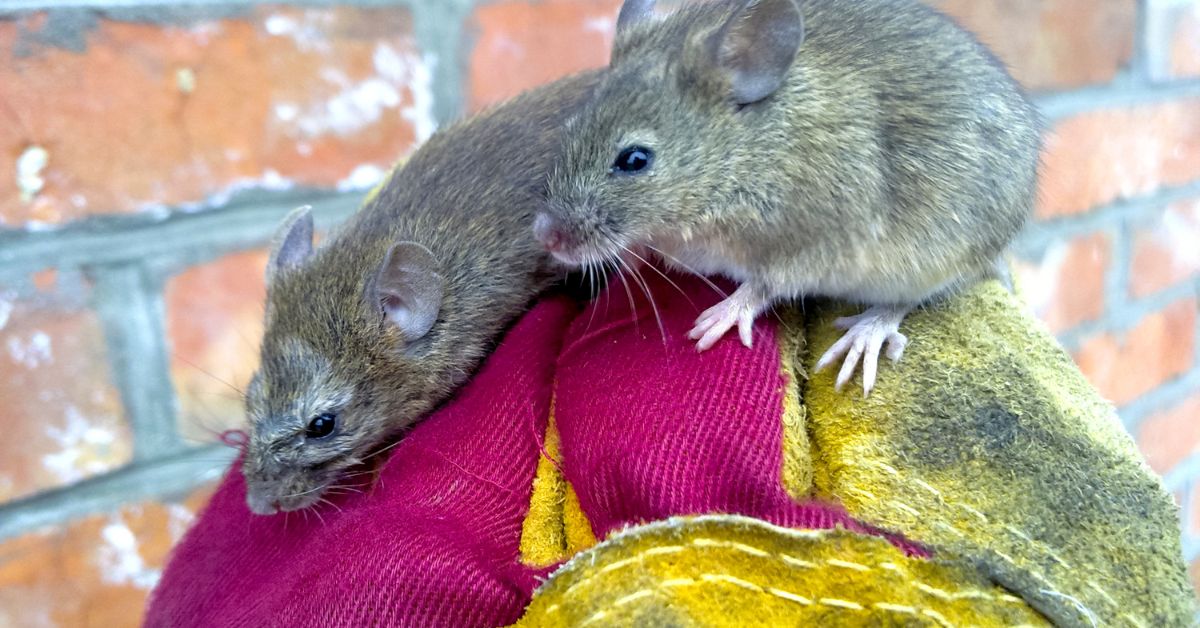
Rodents don’t need much space to turn a patio into a runway. Mice can slip through gaps around ¼ inch, and rats only need a bit more—so small construction details matter: door sweeps that actually touch the threshold, brush seals on roll-up or service doors, tight weatherstripping, and sealed utility penetrations where lines enter walls. Outdoor dining builds like parklets and decked seating can unintentionally create protected voids underneath skirting, steps, or pavers—perfect harborage that keeps rodents hidden from staff and guests while staying close to food.
The goal is to reduce access and shelter at the same time. Walk the perimeter at dusk (when activity starts) and look for gnaw marks, rub marks, droppings, or “shadowed” travel lanes along walls. Then prioritize physical corrections that last: repair gaps, add rodent-proof mesh where needed, and make sure door hardware closes fully every time. If you’re coordinating vendors (GCs, handymen, landscapers), it helps to define a simple standard: “No gaps larger than a pencil’s width at ground level” and “No sheltered voids under patio structures.” Exclusion is one of the most guest-friendly strategies because it prevents activity without drawing attention to control measures.
Dumpster, grease, and delivery-area controls that reduce nighttime activity
Outdoor dining areas often get blamed for rodents when the real attractor is 30–80 feet away: the dumpster pad, used cooking oil (UCO) tank, or delivery staging zone. Rodents thrive where food is predictable, and nothing is more predictable than leaking trash bags, open lids, and greasy residue that never fully dries. Small upgrades make a big difference—self-closing dumpster lids, leak-proof liners, keeping cardboard off the ground and away from walls, and scheduling power washing for the dumpster area (including the “invisible” edges where sludge collects).
Grease management deserves special attention because it’s both an odor beacon and a long-lasting calorie source. If your grease interceptor schedule slips or your UCO container leaks, you can see a sharp rise in nighttime rodent activity even if your patio is spotless. Build a simple receiving-and-trash SOP that supports pest prevention:
- Close dumpster lids immediately after use (no “propped open” periods during rush).
- Move cardboard staging away from exterior walls and off the ground.
- Rinse and dry spill zones (beer/soda/grease) before they become sticky attractants.
- Schedule grease/UCO maintenance and document it alongside cleaning logs.
When sanitation and exclusion work together, baiting becomes a backup—not the whole plan.
Stinging Insects (Wasps, Bees, Ants) Without Disrupting Guests
Yellowjacket and wasp prevention around outdoor food and sweet drinks
Yellowjackets and wasps are less “random nuisances” and more “opportunistic scavengers” once outdoor dining service ramps up. Sweet mixers, soda spills, and open trash are prime draws—especially when staff are moving fast and bussing falls behind. One of the most effective operational changes is tightening the time window that food residue stays exposed: faster pre-bus, covered waste containers at beverage stations, and prompt wipe-downs of sticky surfaces (high chairs, tray stands, railing tops). During late summer and early fall, wasps often shift from hunting protein to seeking sugar, which is why patios can feel suddenly overrun even when the menu hasn’t changed.
Traps can help, but the placement is everything. Baited wasp traps should be deployed early in the season and positioned at the perimeter—far enough away that you’re pulling insects away from guests instead of concentrating activity near tables. Avoid strong-smelling DIY baits near entry points. Also train staff on safe response: don’t swat (it escalates), clean spills quickly, and know when to call for professional nest location and removal—especially if the nest is inside a wall void, under a deck edge, or near signage where guests queue.
Ant trails at patio planters, pavers, and umbrella bases (moisture + crumbs)
Ant problems on patios usually start with a simple combination: moisture plus crumbs. Irrigation overspray keeps paver joints damp, planters can stay wet for days, and umbrella bases create protected pockets where ants can trail unnoticed. Once ants find a reliable food source—like a condiment station drip zone—they lay trails that look “sudden,” even though the colony has been building momentum for weeks. The fix is rarely a single spray; it’s correcting conditions and using a strategy that reaches the colony rather than just the ants you see.
For long-term control in guest-facing areas, non-repellent baits and targeted placements (where guests and pets can’t access them) are often a better fit than broad outdoor spraying during service. Pair that with simple moisture corrections—adjust sprinklers, improve drainage, and keep soil and mulch from touching building edges or patio structures. If ant activity spikes repeatedly in the same spot, treat it like a clue: there’s likely a recurring spill, an oversaturated planter, or a gap that gives them shelter. A pest partner can help identify the species (pavement ants vs. others) because bait choice and placement can change based on behavior.
Birds, Mosquitoes, and “Hidden” Outdoor Pests That Hurt Reviews
Bird deterrents for patios, rooftops, awnings, and signage (pigeons, sparrows)
Bird issues are review-killers because guests remember droppings, feathers, and aggressive behavior far more than a single fly. Patios with awnings, string lights, rooftop ledges, signage, and heater mounts create perfect roosting and nesting points for pigeons and sparrows. The tricky part is that partial DIY fixes often make things worse: birds adapt quickly, and if one ledge stays comfortable, they’ll keep returning. Effective deterrence is about matching the method to the structure—netting for under-awning voids, spikes for narrow ledges, track systems for frequent roost lines, and correcting “easy perch” angles where feasible.
Cleanup and safety matter, too. Bird droppings can carry health risks and should be handled with appropriate PPE and disinfectant procedures—especially in food-service settings. If you’re seeing recurring droppings on railings or under signage, treat it as a facility maintenance issue, not just a housekeeping problem. A professional assessment can identify exactly where the birds are landing and why, then recommend solutions that reduce pressure without creating a harsh look for your outdoor dining area.
Mosquito management for outdoor seating (source reduction, fans, larvicides)
Mosquito control starts with water management, not fogging. The most common breeding sources around restaurants aren’t ponds—they’re small, overlooked containers and drainage problems: clogged gutters, standing water in tarps, planter trays, blocked storm drains, and even persistent puddles from uneven concrete near the dumpster pad. If your patio uses misters or has frequent washdowns, check where that water goes. Mosquitoes can develop in surprisingly small volumes of standing water, so routine “water hunts” should be part of opening and closing checks during mosquito season.
Fans help here too—mosquitoes are weak flyers, and steady airflow around seating zones can reduce bites in a guest-friendly way. In some situations, larvicide products (used only where appropriate and allowed) can be part of a responsible program, especially in areas that hold water repeatedly and can’t be regraded immediately. The best results usually come from combining source reduction, airflow, and targeted professional treatments based on monitoring and conditions—not a one-size-fits-all approach that risks disrupting guests or missing the real breeding site.
Integrated Pest Management (IPM) for Outdoor Dining: SOPs, Vendor Specs, and Inspector Readiness
Patio IPM checklist by frequency (per shift, nightly close, weekly, monthly)
The most successful outdoor dining pest programs look less like “spray and pray” and more like a simple, repeatable routine the team can actually follow during busy service. Build a patio-specific IPM checklist that matches how your operation runs—because the host stand, service alley, and condiment station create different pest pressures than the kitchen line. Here’s a practical framework you can adapt:
- Per shift: Wipe spills immediately (especially sweet drinks), keep trash lids closed, remove plates fast, and spot-check sticky zones under drink stations.
- Nightly close: Brush and flush outdoor drains where applicable, clean under bar mats, empty and rinse trash/compost bins, and dry out wet areas.
- Weekly: Detail-clean edges and cracks (pavers, railing bases), inspect patio structure voids, and power wash problem zones before buildup hardens.
- Monthly: Walk the perimeter for gaps/gnaw marks, review trap/monitor counts, and update corrective actions with owners/maintenance.
This is the difference between “we’re always fighting pests” and “we know where pressure comes from, and we’re staying ahead of it.” It also supports the preventive expectations found in food facility programs and guidance, including the pest prevention emphasis you’ll see referenced in standards like the FDA Food Code.
Choosing a commercial pest control partner (low-odor options, documentation, inspector alignment)
Outdoor dining needs a vendor who treats patios, rooftops, and perimeter zones as part of the program—not an afterthought. When you’re comparing providers, ask for specifics: licensing and insurance, an IPM-based plan, how they handle guest-facing areas with low-odor/low-disruption options, and what their service reports look like (device maps, findings, and clear corrective actions—not just “treated as needed”). Good documentation isn’t paperwork for its own sake; it’s what helps you demonstrate control and responsiveness if an inspector asks about pest prevention, facility maintenance, or monitoring trends. The best programs also set simple thresholds—like trap counts or repeat sightings—that trigger defined actions, so you’re not waiting for a bad night on the patio to take it seriously.
Cedar Pest Control can help you set up a patio-forward IPM program that’s practical for real shifts and real staffing. We focus on identifying attraction sources (drains, trash flow, beverage spill points), improving exclusion and sanitation routines, and using monitoring and targeted treatments that reduce sightings without disrupting guests. If you want fewer fly complaints, fewer stinging-insect surprises, and a cleaner story to tell during inspections, contact Cedar Pest Control to schedule an on-site assessment and get a clear, repeatable plan for your outdoor dining area.